体重没涨,裤腰却紧了:该关注什么?Same weight, tighter waist: what should you look at?
从裤腰和体重的不同变化,整理自己想进一步了解的问题。Start with questions about changes in weight and waist size.
中文文章Article in Chinese药食同源|调理糖胖代谢Food, daily habits and metabolic health

从饮食、体重和日常习惯开始,了解代谢健康。Explore metabolic health through food, weight and everyday habits.
诊室的展板谈到糖尿病、糖脂代谢与长期管理。从下面的问题开始,在已有文章里继续了解。The clinic posters discuss diabetes, glucose and lipid metabolism, and long-term care. Start with a question below and continue with an article from this site.
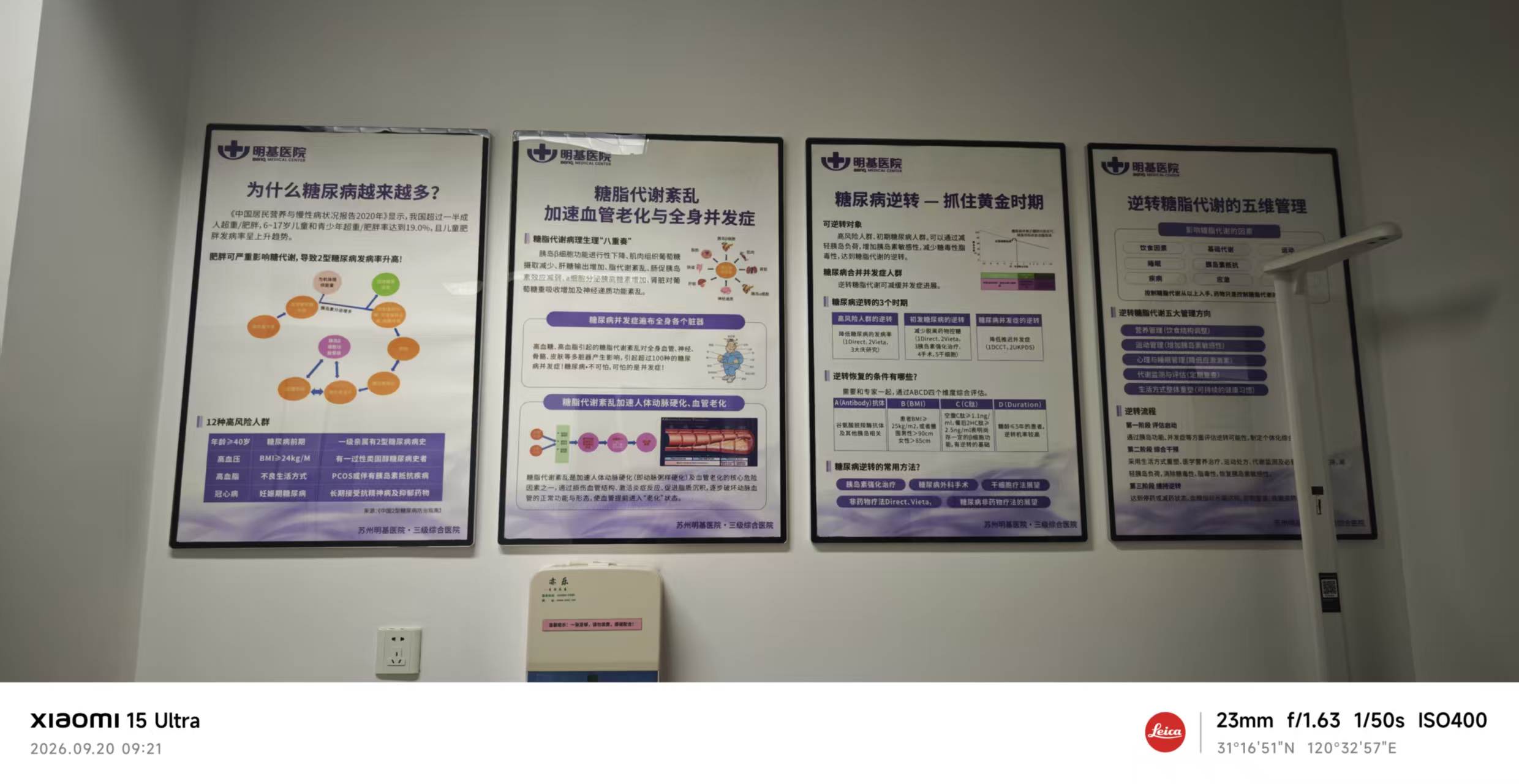
可以先记下最想问的事、最近的变化、已有检查资料、正在使用的药和补充剂,以及医生说的下一步。You can first note what you most want to ask, recent changes, available reports, current medicines and supplements, and the next step discussed with the doctor.
下载空白沟通工具卡 · 中文PDFDownload blank conversation cards · Chinese PDFs
健康工具与实用阅读
三篇短文、三张打印卡,以及一张可当场计算的糖尿病风险评分表。
These reading guides and tools are available in Chinese.
糖化血红蛋白、尿酸、尿白蛋白/肌酐比值:先看懂指标,再准备复诊问题。
阅读完整文章了解接种前需要询问的事项,把病历、用药与生病时的血糖安排准备好。
阅读完整文章当次浏览可勾选,打印时会带上勾选状态;刷新或关闭后不保留。
了解适用范围和评分依据,计算后带着结果向医护人员咨询。
阅读完整文章评分适用于20—74岁、尚未确诊糖尿病的普通人群;孕期及已确诊者不使用此表判断检查安排。评分不是诊断。有明显口渴、多尿或不明原因体重下降时,请及时就医,不等待评分。
在本页完成计算,不保存、不上传填写内容。关闭或刷新后需要重新填写。
计分依据:《中国2型糖尿病防治指南(2020年版)》表5;筛查解释参照《中国糖尿病防治指南(2024版)》。完整依据、测量方法及适用说明见上方风险评分文章。
记录日期:________________ 复诊日期:________________
把完整化验单一起带上。记录数值时写清单位,参考范围和个人控制目标由医生结合病情解释。
| 指标 | 本次结果/单位/日期 | 上次结果/单位/日期 | 想问医生的一句话 |
|---|---|---|---|
| 糖化血红蛋白 HbA1c |
|||
| 血尿酸 UA |
|||
| 尿白蛋白/肌酐比值 UACR |
近期疾病、用药变化或想补充的问题:
________________________________________________________________
________________________________________________________________
配套文章:化验单上的三个「熟面孔」。这张卡用于记录与沟通,不据此自行诊断或调整用药。
接种地点:________________ 预约日期:________________
其他要问接种医生的事:________________________________________
是否接种和选择何种疫苗,以接种门诊评估及当地供应为准。
适用于20—74岁、尚未确诊糖尿病的普通人群。孕期及已确诊者不使用此表判断检查安排。
年龄:________ 性别:________ 身高(cm):________ 体重(kg):________
BMI:________ 腰围(cm):________ 收缩压(mmHg):________ 家族史:________
BMI=体重(公斤)÷身高(米)÷身高(米),按未取整值计分。家族史指父母、兄弟姐妹或子女中有人患糖尿病。腰围按最低肋缘与髂嵴上缘中点水平测量,正常呼气末读数。
| 项目 | 分段 | 分值 |
|---|---|---|
| 年龄(岁) | 20≤年龄<25 / 25≤年龄<35 / 35≤年龄<40 / 40≤年龄<45 / 45≤年龄<50 / 50≤年龄<55 / 55≤年龄<60 / 60≤年龄<65 / 65≤年龄≤74 | 0 / 4 / 8 / 11 / 12 / 13 / 15 / 16 / 18 |
| 体重指数BMI(kg/m²) | BMI<22 / 22≤BMI<24 / 24≤BMI<30 / BMI≥30 | 0 / 1 / 3 / 5 |
| 腰围(cm),男 | 腰围<75 / 75≤腰围<80 / 80≤腰围<85 / 85≤腰围<90 / 90≤腰围<95 / 腰围≥95 | 0 / 3 / 5 / 7 / 8 / 10 |
| 腰围(cm),女 | 腰围<70 / 70≤腰围<75 / 75≤腰围<80 / 80≤腰围<85 / 85≤腰围<90 / 腰围≥90 | 0 / 3 / 5 / 7 / 8 / 10 |
| 收缩压(mmHg) | 收缩压<110 / 110≤收缩压<120 / 120≤收缩压<130 / 130≤收缩压<140 / 140≤收缩压<150 / 150≤收缩压<160 / 收缩压≥160 | 0 / 1 / 3 / 6 / 7 / 8 / 10 |
| 糖尿病家族史 | 无 / 有 | 0 / 6 |
| 性别 | 女 / 男 | 0 / 2 |
总分:________/51 记录日期:________________
达到25分应进一步与医生讨论检查。低于25分不能排除糖尿病,也不能据此决定不用筛查;年龄、超重、家族史、高血压及既往血糖异常等仍需综合考虑。
有明显口渴、多尿、不明原因体重下降时及时就医,不等待评分。
计分依据:中国2型糖尿病防治指南(2020年版)表5;筛查解释参照中国糖尿病防治指南(2024版)。
围绕眼前关心的事,找到一篇可以开始读的文章。Find a starting point for a question from everyday life. Full articles are in Chinese.
例如:外卖、血糖、走路、陪父母。按标题、导读和关键词查找。Try food, glucose, walking or family. Search titles, introductions and keywords.
共 84 篇文章84 articles
从裤腰和体重的不同变化,整理自己想进一步了解的问题。Start with questions about changes in weight and waist size.
中文文章Article in Chinese把达到目标之后的饮食、活动与日常安排放在一起想一想。Consider everyday routines after reaching a weight goal.
中文文章Article in Chinese了解减重门诊中抽血检查相关的常见疑问。Explore common questions about blood tests at a weight-management visit.
中文文章Article in Chinese看到具体热量的食谱时,先整理它是否适合自己的疑问。Explore questions to ask before copying a calorie-based meal plan.
中文文章Article in Chinese从体检报告上的糖尿病前期开始,整理下一步要问的问题。Start with questions after a checkup mentions prediabetes.
中文文章Article in Chinese讨论蛋白质之前,先把自己的身体情况带进交流。Bring your health circumstances into a conversation about protein.
中文文章Article in Chinese围绕减重针和胃的关系,辨清常见说法中的疑问。Explore a common question about weight-loss injections and the stomach.
中文文章Article in Chinese血糖读数改善以后,继续了解随访需要讨论的事情。Explore follow-up conversations after glucose readings improve.
中文文章Article in Chinese第一次去减重门诊前,了解不同专业参与交流的情境。Explore the different professionals you may meet at a weight-management clinic.
中文文章Article in Chinese从书名中的非药物疗法出发,整理它与现有用药相关的疑问。Explore questions about non-drug approaches and current medicines.
中文文章Article in Chinese在两次复诊之间,看看有哪些日常情况可以留作交流。Notice everyday matters to discuss between follow-up visits.
中文文章Article in Chinese从家里谁做饭开始,聊聊血糖管理中的共同安排。Start a conversation about glucose care with the person who prepares meals.
中文文章Article in Chinese把日常计算、测量和记录带来的心累也说出来。Make room to talk about the burden of daily tracking.
中文文章Article in Chinese面对体检报告上的异常,先整理一次沟通想问清的事。Turn questions about a checkup report into a conversation.
中文文章Article in Chinese准备出远门时,把旅途安排和现有管理情况一起讨论。Discuss travel plans alongside your current diabetes care.
中文文章Article in Chinese从家庭一天的生活安排,看看孩子体重管理可以聊什么。Explore a child's weight-management questions through family routines.
中文文章Article in Chinese买无糖饼干时,把包装正面和背面的信息放在一起看。Look beyond the front label when buying sugar-free biscuits.
中文文章Article in Chinese比较两次血糖读数之前,先对照测量时的具体情况。Compare the circumstances behind two glucose readings.
中文文章Article in Chinese平时读数偏高时,也把低血糖相关准备列入沟通。Include low-glucose preparation in conversations about usually high readings.
中文文章Article in Chinese体检出现脂肪肝时,从不喝酒也会遇到的疑问说起。Explore questions after a checkup mentions fatty liver.
中文文章Article in Chinese夜间打鼾和白天犯困,也可以成为减重沟通的话题。Bring snoring and daytime sleepiness into a weight-management conversation.
中文文章Article in Chinese糖尿病复查时,了解抽血之外留尿检查相关的问题。Explore questions about urine samples at a diabetes checkup.
中文文章Article in Chinese看到逆转宣传时,先看清其中承诺了什么。Read the promise behind a claim about reversing diabetes.
中文文章Article in Chinese开始减重治疗前,把长期时间和费用放进讨论。Discuss time and costs before starting weight-loss treatment.
中文文章Article in Chinese面对停药反弹的新闻,回到研究本身读清楚。Return to the study behind a headline about rebound after stopping medication.
中文文章Article in Chinese监测曲线让吃饭变得紧张时,整理想和医生讨论的困扰。Explore concerns when glucose monitoring makes eating feel stressful.
中文文章Article in Chinese把晚饭后的步行和白天久坐放在同一天里看。Look at an evening walk alongside sitting during the day.
中文文章Article in Chinese围绕围绝经期的身体变化,讨论体重之外的观察。Explore questions about body changes during perimenopause.
中文文章Article in Chinese从主食、配菜和调味,看看食堂与外卖的一餐。Look at staples, side dishes and seasoning in a meal away from home.
中文文章Article in Chinese从水果的甜味出发,整理控糖时选择和份量的疑问。Explore questions about sweetness, fruit choices and portions.
中文文章Article in Chinese体重暂时不再下降时,回看这段时间的变化和疑问。Review changes and questions when weight loss reaches a pause.
中文文章Article in Chinese从下班后想吃零食的时刻,回看一天的经历。Look back over the day when you want snacks after work.
中文文章Article in Chinese围绕发热、腹泻和吃不下的情境,提前整理生病时的沟通准备。Prepare questions about diabetes care during fever, diarrhea or poor appetite.
中文文章Article in Chinese从月饼标签和分食方法入手,整理家里的日常饮食安排。Use labels and portion sharing to think about leftover mooncakes.
中文文章Article in Chinese辨读南瓜降糖的说法,再看品种、做法和食用量。Examine claims about pumpkin, along with variety, preparation and amount.
中文文章Article in Chinese和家人翻看食品标签,用记录卡区分糖的名称、含量和实际食用量。Read food labels together and distinguish sugar names, amounts and serving sizes.
中文文章Article in Chinese看懂三个常见化验指标,再把结果、单位和问题带到复诊沟通中。Understand three common lab tests and prepare results, units and questions for your next visit.
中文文章Article in Chinese依据国内当季指南,了解接种时间、门诊评估和家庭准备。Use the current Chinese guidance to prepare for flu vaccination and a conversation with the vaccination clinic.
中文文章Article in Chinese了解糖尿病风险评分的适用范围、计分方法,以及高分和低分之后怎样安排检查。Learn who the diabetes risk score is for, how it works and why screening decisions need more than a score.
中文文章Article in Chinese把尿酸、血脂和控糖的不同情况分开考虑,准备一张聚餐前可以核对的小卡。Consider different health circumstances and prepare practical questions before a crab meal.
中文文章Article in Chinese从面量、另加蔬菜、浇头和汤汁入手,把饮食安排用到一碗苏式汤面。Consider noodle portions, vegetables, toppings and broth when ordering Suzhou noodle soup.
中文文章Article in Chinese认识血脂四项的不同含义,区分报告参考值与个人目标,把问题带到复诊沟通中。Understand four lipid measurements and distinguish laboratory reference values from individual goals.
中文文章Article in Chinese看清喝醋降糖说法的证据与限制,避免把调味习惯当作治疗办法。Consider the evidence and limitations of vinegar claims without treating a condiment as treatment.
中文文章Article in Chinese同一张报告上,有的箭头向上,有的向下。先弄清调节信号与激素水平的关系,再看检查时的身体情况,报告才不容易读反。Understand the different roles of thyroid tests before discussing a report.
中文文章Article in Chinese血液检查主要回答激素供应是否合适,超声主要观察甲状腺结构。两种结果可以同时成立,也需要分别理解。Distinguish blood tests of thyroid function from ultrasound findings.
中文文章Article in Chinese尺寸、超声特征、位置、病史和前后变化,会共同影响结节的处理。拿别人的大小标准套自己,很容易走偏。Prepare questions about ultrasound findings, history and changes over time.
中文文章Article in Chinese穿刺是取少量细胞帮助判断结节性质的一项检查。了解检查目的、用药准备和结果的几种可能,可以减少等待期间的误解。Prepare questions about the purpose, medicines and possible results of a thyroid biopsy.
中文文章Article in Chinese抗体提示自身免疫线索,甲功反映当前激素供应。桥本的治疗和随访,不能只围着抗体数字升降打转。Distinguish antibody findings from current thyroid hormone function.
中文文章Article in Chinese这些表现可以见于甲减,也常由其他问题引起。把症状变化、既往病史和甲功检查放在一起,才能避免漏查或过度归因。Bring symptoms, medical history and thyroid test results together.
中文文章Article in Chinese颈前疼痛合并心慌,不一定只是咽喉问题。不同类型甲状腺炎的原因与治疗并不相同,关键是先辨清炎症和激素变化的来源。Organise symptoms and questions when neck pain occurs with other changes.
中文文章Article in Chinese甲亢可能影响情绪、睡眠和体力。家人的帮助可以落实到就医信息、生活分工和复查安排,同时保留患者自己作决定的空间。Discuss emotions, sleep, treatment and family responsibilities together.
中文文章Article in Chinese症状、游离激素和TSH的恢复速度可能不同。复查是为了判断治疗反应和下一步安排,不能由一次好转决定加药或停药。Understand why symptoms and thyroid test results may recover at different speeds.
中文文章Article in Chinese甲巯咪唑、丙硫氧嘧啶治疗期间,发热或明显咽痛需要立即处理。先弄清药名与就医步骤,比自行判断是不是感冒更重要。Recognise medicine-related warning symptoms and the need for prompt medical assessment.
中文文章Article in Chinese甲状腺眼病的变化不一定与甲功同步。干涩、复视和闭眼困难需要单独评估;视力或颜色辨认发生变化时,更不能等常规复查。Keep eye symptoms and thyroid function in view as separate parts of follow-up.
中文文章Article in Chinese孕期甲功解释要看孕周、检测方法和其他结果。异常需要及时评估,但一个TSH数字不能单独决定诊断、药量或胎儿结局。Read pregnancy thyroid results in the context of gestational age and other findings.
中文文章Article in Chinese碘是必需营养素,过少和过多都可能带来问题。是否调整碘盐、海藻和补充剂,要结合地区饮水、功能状态与具体治疗安排。Prepare questions about iodine intake in relation to your condition and treatment.
中文文章Article in Chinese术后安排取决于切除范围、病理和恢复情况。吃什么之外,更需要弄清激素补充、血钙观察、复诊任务与必须及时就医的变化。Organise postoperative instructions, medicines, symptoms and follow-up information.
中文文章Article in Chinese胰岛素要用多久,取决于糖尿病类型和当前身体需要。把开始治疗的原因、复查依据和调整计划问清楚,比先给自己定一个停针日期更有用。Clarify why insulin is needed now and how future treatment will be reviewed.
中文文章Article in Chinese贴在身上的设备外观可能相似,承担的任务却不同。先分清监测、输注和自动协同,再讨论是否适合自己以及需要怎样的培训。Distinguish glucose monitoring from insulin delivery and discuss training needs.
中文文章Article in Chinese反复选择熟悉、不太疼的位置,可能忽略皮下组织已经改变。规律检查和有计划轮换,有助于让注射更可靠,也要留意换到正常部位后的血糖变化。Understand injection-site changes and prepare questions about a rotation plan.
中文文章Article in Chinese药盒有效期、离开冷藏的时间、启用后的期限,可能是三件不同的事。先核对药名、规格和装置,再把保存条件与弃用日期写在一起。Check the exact medicine, device, storage conditions and discard date.
中文文章Article in Chinese先看身体感受和反复出现的时段,再把曲线与吃饭、活动和用药时间放在一起。异常读数需要按情况核实,药物调整交给医生。Read patterns alongside symptoms, meals, activity and medicines. Check unexpected readings and discuss treatment changes with your doctor.
中文文章Article in Chinese口服葡萄糖耐量试验需要按规定准备、服糖和抽血。正常吃饭、不自行停药、区分孕期与非孕期流程,能减少检查当天的返工和误读。Confirm food, medicine and timing instructions for the relevant testing pathway.
中文文章Article in Chinese体检报告可以复用,但项目名称相近不代表回答了同一个问题。把已有结果与糖尿病随访计划逐项对照,才能知道哪些已覆盖、哪些仍需补充。Compare existing test results with your individual follow-up plan.
中文文章Article in Chinese体重下降是否值得关注,要连同下降速度、吃饭变化和伴随症状一起判断。尤其口渴、多尿同时出现时,不宜只把变瘦当作好事。Record the timing, appetite and accompanying symptoms of weight loss.
中文文章Article in ChineseC 肽和胰岛自身抗体回答的是不同问题。前者帮助了解自身胰岛素分泌,后者提供分型线索,都需要放回血糖、病程和治疗背景中解读。Interpret tests alongside blood glucose, history and treatment rather than using one report alone.
中文文章Article in Chinese一份餐食是否适合糖尿病管理,不能只靠甜不甜来判断。食物组合、实际分量、全天营养与用药安排,都会影响它是否适合当前需要。Consider food combinations, portions, nutrition and treatment together.
中文文章Article in Chinese读糖尿病缓解率,要同时看清研究对象、时间和分母。DiRECT 五年结果提示长期维持的重要性,不能简化成人人适用的成功率。Read remission findings with attention to participants, time and denominators.
中文文章Article in Chinese同样是早晨血糖高,可能从晚餐后就已升高,也可能在后半夜才上升。把睡前、夜间和起床时的变化连起来,才有助于找到真正需要调整的环节。Connect evening, overnight and waking readings before discussing adjustments.
中文文章Article in Chinese急性疾病、治疗和既往血糖状况,都可能影响住院时的结果。先处理当前高血糖,再用合适的检查与出院复评厘清原因,才能避免过早下结论或漏掉后续管理。Keep current treatment and follow-up assessment connected after an inpatient finding.
中文文章Article in Chinese激素相关血糖变化,常常需要同时看药名、剂量、使用时间与一天中的血糖分布。复诊准备得越具体,越容易兼顾原发病治疗和血糖安全。Bring medicine timing and daily glucose patterns to the follow-up discussion.
中文文章Article in Chinese产后血糖下降很常见,但一次正常读数不能替代复查。把首次检查、结果解释和往后随访接起来,比只盯分娩前的控制更完整。Connect the first postpartum test with interpretation and longer-term follow-up.
中文文章Article in Chinese孕期需要关注增重速度,也要保证母体营养和胎儿生长。孕前体重、孕周及是否合并糖尿病,会改变适合自己的管理目标。Discuss pregnancy weight changes alongside nutrition, gestational age and individual circumstances.
中文文章Article in Chinese夜里打鼾、白天困倦或注意力变化,值得把睡眠情况一起看清。体重可以影响风险,但孩子胖不胖,都不能代替睡眠问题的评估。Record sleep and daytime changes without treating them as a character problem.
中文文章Article in Chinese颈部皮肤变深、变厚,可能有多种原因。停止反复搓洗,记录变化并检查皮肤,比凭颜色认定糖尿病更有用。Observe skin changes and seek assessment without diagnosing diabetes from appearance.
中文文章Article in Chinese部分药物会影响食欲、活动或水分,但体重增加也可能有其他原因。把药物变化与身体变化放在同一张记录里,更有助于判断。Record medicine changes and body changes together for a review.
中文文章Article in Chinese持续疲倦、容易犯困和肌肉使不上劲,可能是不同体验。把时间、活动影响和伴随变化说具体,有助于选择合适的评估。Describe timing, effects on activity and accompanying symptoms in concrete terms.
中文文章Article in Chinese超声发现斑块后,重要的是把影像、既往症状和整体风险放到一起。是否用药、怎样复查,需要回答的远不止斑块有多大。Discuss imaging findings together with symptoms and overall risk.
中文文章Article in Chinese部分高血压与激素异常有关,发现病因可能改变治疗。了解原醛筛查的适用条件,并带齐血压、血钾和用药资料,能让转诊更有效。Prepare blood pressure, potassium and medicine information for an assessment of possible causes.
中文文章Article in Chinese两段诊疗经历,让运动从诊室里的一句叮嘱,变成需要认真制定、执行和随访的治疗计划。Two clinical experiences show why physical activity needs an individual plan, follow-through and review.
中文文章Article in Chinese体重是称出来的,许多身体成分指标是模型估算出来的。统一条件看长期变化,同时看腰围、体力和检查结果,比追逐小数点更有意义。Compare longer-term changes under consistent conditions, alongside waist size, physical ability and clinical checks.
中文文章Article in ChineseAI可以帮你理解词语、整理问题,但报告识别和医学解释都可能出错。先保护个人信息、逐项核对原报告,再把治疗决定交给医生。AI may explain terms and organize questions. Protect personal information, check the original report and discuss treatment with your doctor.
中文文章Article in Chinese耳痛之外,留意面部无力、听力变化和眩晕,把近期血糖、用药及肾功能检查一起告诉医生。Discuss facial weakness, hearing changes or dizziness alongside ear pain and recent diabetes treatment.
中文文章Article in Chinese一个1型糖尿病家庭关于治疗选择的问答:先问清要解决的问题、方案差异,以及回家后由谁接续管理。Questions about treatment options, practical differences and ongoing care after returning home.
中文文章Article in Chinese本栏目暂时没有找到匹配的文章。No matching articles in this section.
可以保留关键词到全站查找,或清空本页筛选。Keep your keywords and search the whole site, or clear the filters.
搜索全站 133 篇文章Search all 133 articles默认由你控制步骤。也可以播放、暂停,或显示全部步骤。手机上由上向下阅读。
食物和身体自身都可成为葡萄糖的来源。
食物中的部分营养经过消化吸收,可成为葡萄糖来源;身体也能制造葡萄糖。深青实线表示图中简化的来源与摄取关系。上方胰腺产生胰岛素,赭色虚线表示它参与细胞摄取调节的信号,不是葡萄糖经过的通道。肝脏等其他器官和调节过程未完整画出。本图不是完整生理模型,不用于判断个体情况。
下面的曲线完全为教学绘制,没有真实数值,也没有健康判断。
先看清:横轴是观察顺序,纵轴仅表示示意高低。这里没有真实血糖数值,也没有诊断阈值。
This simplified glucose diagram and reading exercise are available in Chinese. Switch to Chinese to use them. They do not provide individual medical advice.
适合关注体重、血糖与代谢健康的人,以及希望了解相关知识的家人。For people interested in weight, blood glucose and metabolic health, and for family members who want to understand more.
本站内容用于一般健康知识分享,不替代个体化诊断与治疗。涉及个人健康问题,请咨询合适的医疗专业人员。The content on this website is for general health education and does not replace individual diagnosis or treatment. For personal health concerns, consult an appropriate healthcare professional.
健康科普、活动与合作交流,可通过以下方式联系刁建华。For health education, activities and collaboration, contact Dr. Diao Jianhua using the details below.